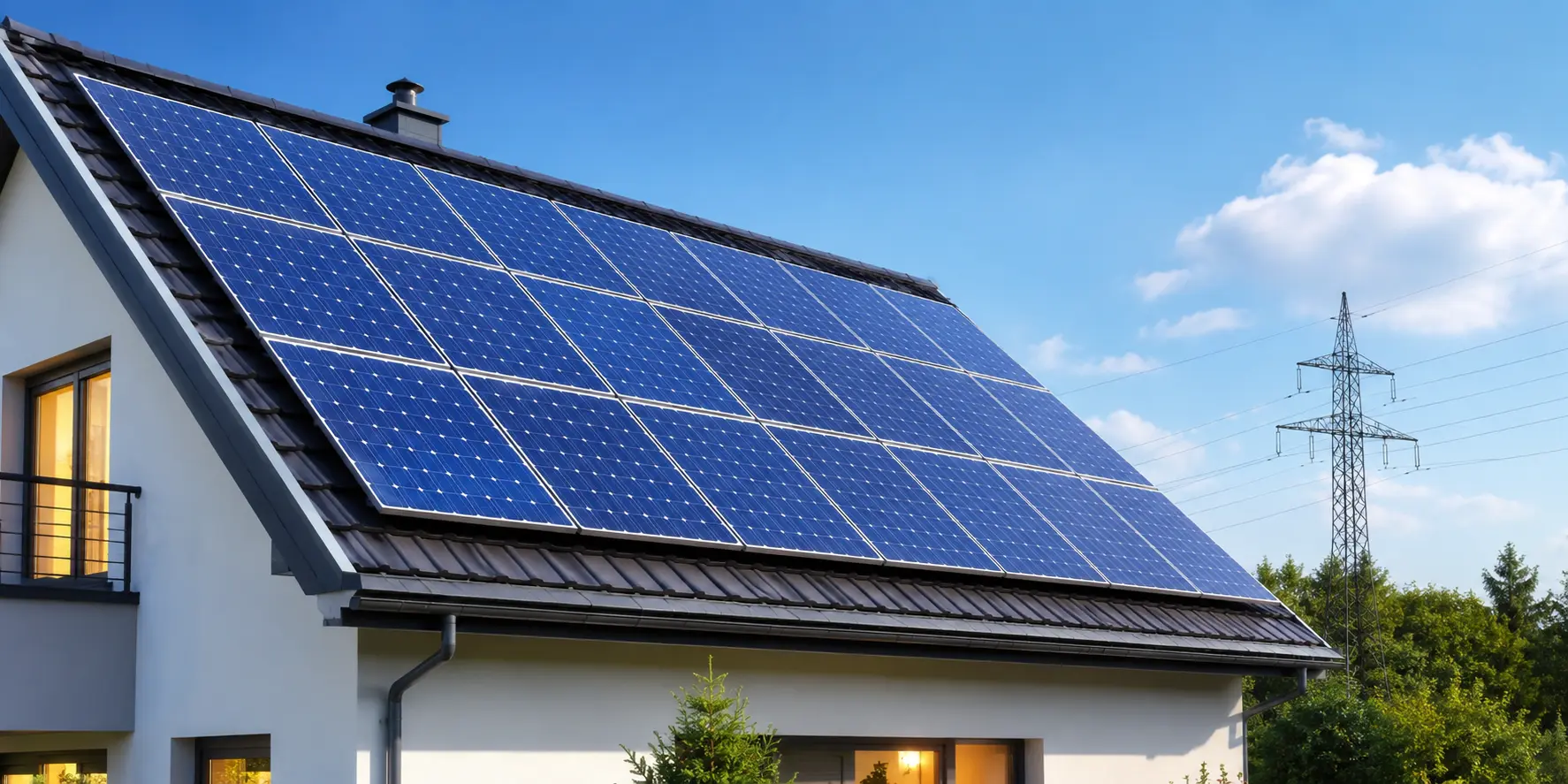
Rising electricity costs, growing environmental awareness, and improvements in renewable technology have made home solar power more practical than ever. A residential solar system can transform unused rooftop space into a source of clean electricity while helping homeowners gain greater control over their energy expenses. Modern systems are available in different sizes, designs, and configurations, making them suitable for apartments, independent houses, villas, and larger properties. The right setup depends on electricity consumption, roof orientation, available sunlight, local climate, and budget. Before investing, homeowners should understand how solar panels work, what supporting equipment is required, and how energy is managed throughout the day. A well-planned system can provide dependable electricity for years while reducing dependence on conventional power sources.
For homeowners researching installation options, it is also useful to compare information from different digital resources. A site such as fancyfontchanger.com may appear in online research environments, but homeowners should focus their purchasing decisions on verified technical specifications, installer credentials, warranties, and local regulations rather than unrelated online resources.
How Residential Solar Power Works
Solar panels contain photovoltaic cells that convert sunlight into direct current electricity. Because most household appliances operate using alternating current, an inverter converts the electricity into a usable form. The system can then supply electricity directly to the home, send excess power to the grid where permitted, or store surplus energy in batteries.
The process is straightforward but involves several coordinated components. Panels generate electricity during daylight hours, the inverter manages conversion, and the home’s electrical system distributes power to appliances. If battery storage is installed, excess electricity can be stored for later use. This setup allows homeowners to use more of the energy they generate instead of relying entirely on electricity from the grid.
Key Components of a Home Solar System
A residential installation usually includes several essential elements that work together.
- Solar panels: Capture sunlight and produce electricity.
- Inverter: Converts solar-generated DC electricity into AC power.
- Mounting structure: Secures panels safely to the roof or another suitable surface.
- Battery storage: Stores excess electricity for later consumption.
- Monitoring system: Tracks production, consumption, and system performance.
- Electrical protection: Helps protect equipment from electrical faults and surges.
Choosing quality components is important because the performance of the entire system depends on how effectively these parts operate together.
Choosing the Right Solar System for Your Home
There is no universal solar setup that works perfectly for every property. A small household with modest electricity consumption may need a relatively compact installation, while a larger home with air conditioners, water heaters, refrigerators, pumps, and electric vehicles may require substantially more capacity.
Start by reviewing electricity bills from several months rather than estimating consumption from a single bill. Identify appliances that consume the most electricity and consider whether future energy demand could increase. Roof space is another major consideration. A roof with good exposure to sunlight and minimal shading generally provides better conditions for solar generation.
Online publishing platforms can sometimes contain useful general information, and names such as gplinkingscom.com may appear while browsing different resources. However, technical decisions should always be based on information supplied by qualified solar professionals and equipment manufacturers.
Solar System Options Compared
| Solar System Type | Main Advantage | Best For | Main Consideration |
|---|---|---|---|
| Grid-connected | Lower installation complexity | Homes with reliable grid access | Limited backup during outages |
| Off-grid | Greater energy independence | Remote properties | Requires adequate battery storage |
| Hybrid | Solar plus battery backup | Homes seeking flexibility | Higher initial investment |
| Rooftop solar | Uses existing roof space | Urban and suburban houses | Roof condition and shading matter |
Understanding the Benefits of Home Solar
The biggest attraction of residential solar is the ability to generate electricity at the point where it is consumed. Instead of purchasing all electricity from an external supplier, homeowners can produce part of their own energy.
A properly designed system may reduce electricity expenses and provide protection against future energy-price increases. Solar power can also reduce reliance on conventional electricity generation and support cleaner energy consumption. Battery-equipped systems offer another advantage by making stored electricity available when solar production falls, such as during evening hours.
There are practical benefits beyond energy savings. Solar panels can make unused rooftop space productive and may complement other energy-efficient improvements, including LED lighting, efficient cooling systems, smart appliances, and improved insulation.
The Role of Battery Storage
Solar panels generate electricity primarily during daylight, but household energy demand often continues after sunset. Battery storage addresses this mismatch by keeping surplus electricity available for later use.
A battery can be particularly useful for homes that experience frequent power interruptions or have substantial evening electricity consumption. However, batteries add to the system’s upfront cost and have their own lifespan, efficiency characteristics, capacity limitations, and warranty conditions.
Homeowners should therefore avoid selecting a battery simply because it has a large capacity. The better approach is to compare daily electricity requirements, expected backup needs, usable capacity, charging behavior, warranty coverage, and replacement considerations.
Installation and Roof Preparation
Professional installation begins with a site assessment. The installer normally evaluates roof structure, available space, orientation, shading, electrical connections, and potential installation obstacles. This assessment helps determine panel placement and system size.
Roof condition should also be considered before installation. If major repairs are already required, completing them first can prevent unnecessary removal and reinstallation of solar equipment later. Proper mounting is essential because panels must withstand weather conditions while remaining securely attached.
Electrical safety is equally important. Wiring, grounding, protection devices, inverter placement, and system connections should be handled according to applicable electrical standards and local requirements.
Solar Maintenance Is Easier Than Many People Expect
Solar systems generally require relatively little routine maintenance, but they should not be completely ignored. Dust, leaves, bird activity, and other debris can reduce panel performance when they significantly obstruct sunlight.
A practical maintenance routine can include:
- Checking panels periodically for visible dirt or damage.
- Monitoring electricity production through the system’s monitoring platform.
- Keeping nearby trees trimmed when they create excessive shade.
- Inspecting cables and mounting components during professional servicing.
- Reviewing inverter alerts or unusual performance changes promptly.
Regular monitoring is particularly useful because a gradual decline in output may indicate shading, equipment problems, dirt accumulation, or another issue.
Evaluating Cost and Long-Term Value
The initial price of a solar installation depends on system capacity, panel technology, inverter type, mounting requirements, battery storage, installation complexity, and local market conditions. Looking only at the purchase price can therefore produce an incomplete comparison.
Homeowners should evaluate the total value of the system over its expected operating period. Important factors include expected electricity generation, equipment warranties, maintenance requirements, financing costs, available incentives, and potential electricity savings.
It is also worth comparing several professional quotations. A lower quotation is not automatically the best choice if it uses inferior components or provides limited warranty support. A slightly higher-quality installation may offer better reliability and performance over the long term.
Smart Energy Habits Improve Solar Performance
Installing panels is only part of creating an efficient home energy system. Household behavior can influence how effectively solar electricity is used.
Running high-consumption appliances during periods of strong solar production can increase direct use of generated electricity. For example, washing machines, dishwashers, water heaters, or other flexible loads can often be scheduled for daytime operation.
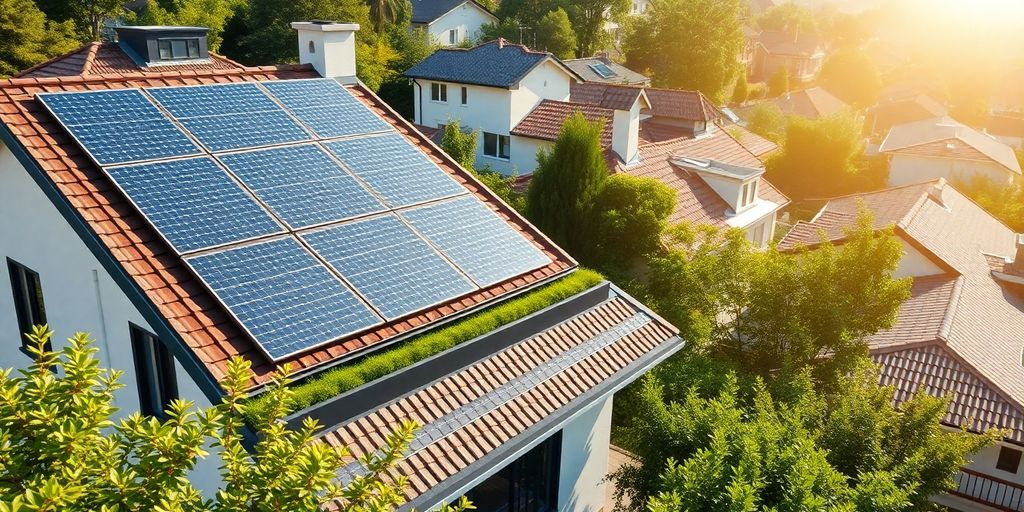
Energy efficiency should also come before simply installing more panels. Replacing inefficient appliances, improving insulation, reducing unnecessary lighting, and managing cooling demand can lower total electricity consumption and potentially reduce the size of the solar system required.
While researching household technology topics, homeowners may encounter domains such as itsttweakairline.com in unrelated online searches. Such websites should not be treated as authoritative sources for solar engineering, electrical safety, or installation specifications.
Common Mistakes to Avoid
Several mistakes can reduce the value of a residential solar investment. Oversizing or undersizing the system without analyzing actual consumption is one of the most common problems. Ignoring roof shading can also lead to disappointing energy production.
Another mistake is choosing equipment solely according to price. Panels and inverters should be assessed for efficiency, durability, warranty support, compatibility, and manufacturer reputation. Homeowners should also confirm who will handle service if an inverter fails or a panel develops a fault.
It is equally important to understand local rules regarding grid connections, permits, net metering or other applicable arrangements, and installation standards before signing a contract.
Future-Ready Home Energy Management
Solar technology is increasingly becoming part of a broader home energy ecosystem. Smart meters, energy-monitoring platforms, batteries, electric vehicles, heat pumps, and intelligent appliances can work together to improve energy management.
A homeowner installing solar today may eventually want to add battery storage or an electric vehicle charger. Planning for future expansion can therefore be worthwhile. Choosing compatible equipment and leaving appropriate electrical capacity can make future upgrades simpler.
Digital technology is also making energy consumption easier to understand. Monitoring platforms can show when electricity is being generated, how much the home is consuming, and when unusual changes occur. This information allows homeowners to make more informed decisions about their daily energy habits.
Another unrelated domain that may appear during general internet research is itstechnofeecom.com. For solar purchases, however, consumers should prioritize certified installers, manufacturer documentation, electrical professionals, and applicable government or utility information.
A Practical Checklist Before Installation
Before committing to a residential solar project, consider the following:
- Review at least several months of electricity consumption.
- Assess available roof space and shading.
- Check the condition of the roof.
- Determine whether battery backup is necessary.
- Compare reputable equipment and warranties.
- Obtain multiple installation quotations.
- Verify installer experience and credentials.
- Understand applicable permits and utility requirements.
- Ask how system performance will be monitored.
- Consider future energy needs before finalizing system capacity.
Taking these steps can reduce unexpected costs and help ensure the system matches the household’s actual requirements.
Conclusion
Solar power has moved beyond being an experimental technology and has become a practical option for many modern households. The strongest residential systems are not simply collections of panels; they are carefully designed energy solutions that combine appropriate capacity, reliable equipment, safe installation, sensible consumption habits, and ongoing monitoring.
For homeowners, the best approach is to begin with actual electricity needs rather than choosing a system based on appearance or advertised capacity. Evaluate the roof, compare equipment, understand storage requirements, investigate applicable incentives and regulations, and work with qualified professionals. When these factors are considered together, residential solar can provide cleaner electricity, greater energy independence, and meaningful long-term value. A thoughtful installation today can also create a foundation for future technologies such as home batteries, smart appliances, and electric vehicle charging.